How to Maintain Oral Health After Visiting the Best Dental Clinic in Dubai?
05Nov
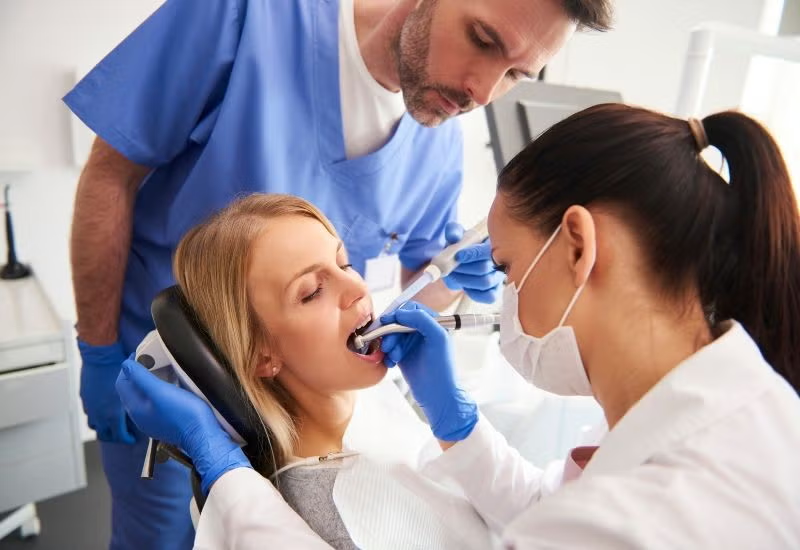
Benefits of Consistent Dental Care
Regular visits to a dental professional don’t just treat problems—they help prevent them. When people care for their teeth consistently, they’re more likely to enjoy benefits such as:- Fresher breath and brighter smiles
- Stronger enamel and reduced plaque buildup
- Improved gum health and comfort while eating
- Early detection of minor issues before they become major concerns
Lifestyle Choices That Support Oral Health
Certain lifestyle habits can either strengthen or harm dental health. Awareness and simple adjustments can create a lasting positive effect.Limiting Sugary Snacks
Sugar feeds bacteria that produce acids, leading to cavities. Reducing sugary snacks and drinks protects the enamel and maintains cleaner teeth throughout the day.Avoiding Tobacco and Staining Foods
Tobacco products and strongly pigmented foods can stain the teeth over time. Limiting their intake helps keep the smile naturally bright and clean.Including Teeth-Friendly Foods
Eating crisp fruits and vegetables promotes saliva flow and gently cleanses the teeth. Calcium-rich foods also strengthen enamel and support overall dental structure.Preventive Dental Treatments
Maintaining oral health involves more than brushing and flossing. Preventive dental treatments offered during checkups play a major role in long-term care. These treatments focus on protection and early detection rather than repair.Routine Cleanings
Regular cleanings help remove tartar and plaque from areas that are hard to reach with daily brushing. This prevents gum problems and keeps the teeth shining.Dental Sealants
Sealants protect the chewing surfaces of back teeth by blocking bacteria from settling into grooves. They are especially effective for people prone to cavities.Fluoride Applications
Fluoride strengthens enamel and protects teeth from decay. It acts as a shield against acid attacks, supporting strong and resilient teeth.Cosmetic and Corrective Treatments
Some people choose cosmetic or corrective treatments to enhance their smiles. These procedures improve both function and appearance.Whitening and Polishing
Whitening treatments brighten the smile by removing surface stains, while polishing leaves teeth smoother and shinier. This helps enhance confidence and encourages regular maintenance.Alignment and Orthodontic Care
Correcting misaligned teeth not only improves appearance but also makes oral hygiene easier. Straight teeth are less prone to plaque buildup and uneven wear.Long-Term Dental Wellness
Sustaining oral health is a long-term commitment that involves routine care, balanced nutrition, and professional guidance. People who make dental hygiene part of their everyday lives often experience fewer issues and greater confidence in their smiles. Consistency is key—maintaining a regular routine ensures lasting benefits.Emotional and Social Benefits
Healthy teeth and gums contribute significantly to personal well-being. A bright, clean smile can enhance confidence, encourage positive interactions, and improve self-esteem. When people feel comfortable with their smiles, they’re more likely to engage socially and express themselves openly.When to Schedule Regular Checkups
Even when everything feels fine, periodic dental visits are essential. These appointments help detect small issues early and prevent future complications. Most people benefit from a routine checkup every six months, but the exact schedule depends on individual needs and dental history.FAQs
How often should someone brush and floss?
Brushing twice a day and flossing once daily helps maintain clean and healthy teeth.Why is saliva important for oral health?
Saliva neutralizes acids, washes away debris, and helps prevent bacteria buildup in the mouth.Can diet affect oral hygiene?
Yes, a balanced diet supports strong teeth and healthy gums, while sugary and acidic foods increase the risk of decay.What should be done if gums bleed while brushing?
Mild gum bleeding could be an early sign of inflammation. Gentle brushing, regular flossing, and a visit to a dental professional can help address it early.Maintaining Results After Visiting the Best Dental Clinic in Dubai
The care received at the Best Dental Clinic Dubai provides a strong foundation for excellent oral health, but the true success depends on what happens afterward. Maintaining healthy habits, staying hydrated, and scheduling follow-up visits are essential for preserving long-lasting results. By combining professional treatments with at-home care, anyone can enjoy a confident, radiant smile that endures over time.Conclusion
Oral health maintenance is a lifelong journey that requires dedication, awareness, and consistent habits. From brushing and flossing properly to following preventive care routines, every small action contributes to a healthier smile. A well-cared-for mouth supports not only physical comfort but also emotional well-being, confidence, and overall quality of life. With regular attention and mindful care, anyone can maintain the strength, brightness, and beauty of their smile for years to come.Comments
