How to Manage Diet Post Gastric Balloon Placement in Dubai?
How to Manage Diet Post Gastric Balloon Placement in Dubai?
10 Dec
10Dec
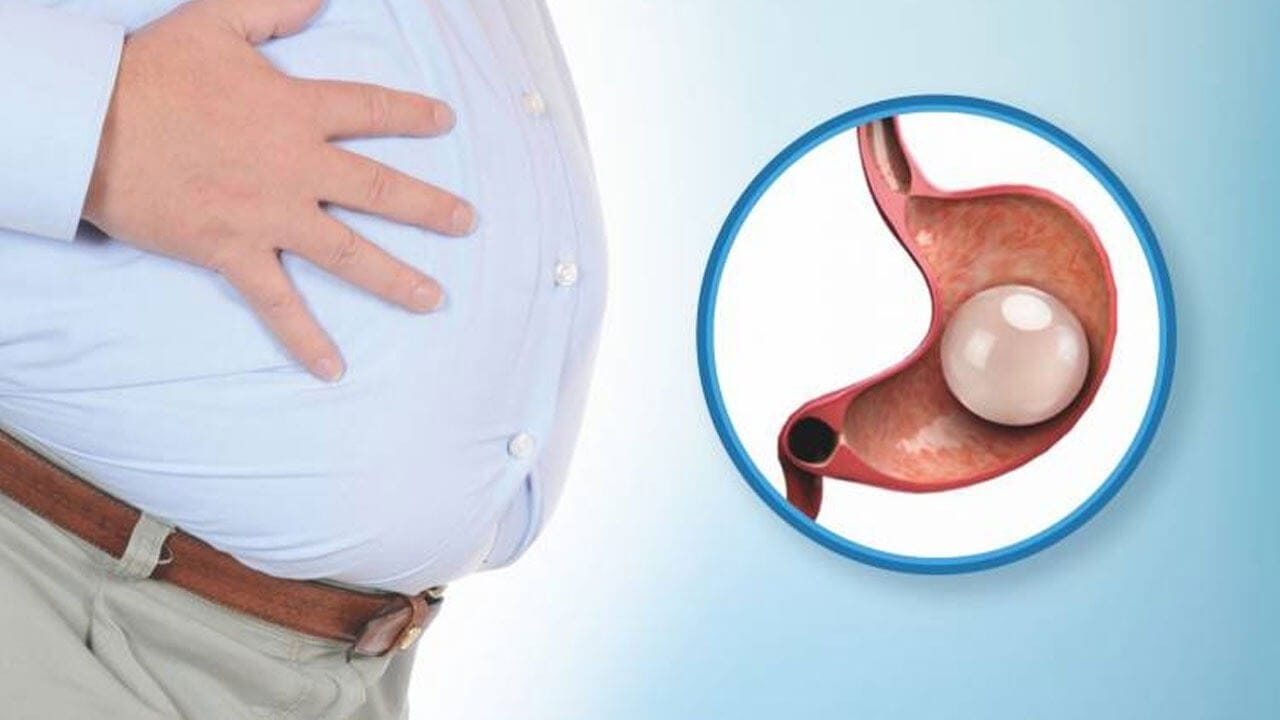
Gastric Balloon Placement in Dubai has become a popular method for individuals seeking an effective weight management solution without undergoing invasive surgery. Once the procedure is complete, dietary management plays a pivotal role in ensuring optimal results. Adopting the right eating habits helps maximize weight loss, supports overall health, and enhances the benefits of the Gastric Balloon Placement in Dubai. Understanding the proper approach to diet post-procedure is essential for anyone aiming for long-term success.
Understanding the Importance of Diet After Gastric Balloon Placement
Post-procedure, the stomach experiences a reduced capacity due to the presence of the balloon. This change requires careful attention to portion sizes, nutrient intake, and eating patterns. Focusing on a balanced diet ensures that the body receives essential nutrients while gradually adjusting to the smaller stomach volume. Proper dietary habits also help prevent discomfort and allow the individual to enjoy steady, sustainable weight loss.
Initial Phase: Liquid Diet
Following Gastric Balloon Placement in Dubai, the first stage typically involves a liquid diet. This phase is crucial as it allows the stomach to adapt to the balloon gradually. The liquid diet usually includes water, clear broths, and low-calorie beverages. This period helps ease the transition from a normal diet to the modified eating plan that follows. Staying hydrated and consuming nutrient-rich liquids ensures that the body remains energized and nourished during this critical adaptation stage.
Transition to Pureed and Soft Foods
After the initial liquid phase, patients can progress to pureed and soft foods. Foods in this stage are easier to digest and reduce the risk of irritation to the stomach lining. Common options include mashed vegetables, soft fruits, yogurt, and finely ground lean proteins. Eating slowly and chewing thoroughly is essential to prevent discomfort and to make the most of the smaller portion sizes. This phase is also an opportunity to introduce a variety of flavors and textures while still keeping the meals gentle on the stomach.
Incorporating Solid Foods Gradually
Once the stomach has adjusted to soft foods, the next step is a gradual reintroduction of solid foods. This stage emphasizes balanced meals that combine lean proteins, complex carbohydrates, and healthy fats. Portion control becomes crucial, as the stomach can hold less food than before. Small, frequent meals are recommended to maintain energy levels and prevent overeating. Individuals are encouraged to monitor hunger cues and avoid eating quickly, which helps the body adapt smoothly to the new capacity.
Prioritizing Nutrient-Dense Foods
A diet rich in essential vitamins and minerals is vital for long-term success after gastric balloon placement. Nutrient-dense foods include lean proteins like fish and poultry, high-fiber vegetables, fruits, and whole grains. These foods support muscle maintenance, digestive health, and overall wellness. Focusing on quality over quantity allows individuals to feel full and satisfied while meeting their nutritional needs, which reinforces positive dietary habits.
Maintaining Hydration
Hydration is a key component of diet management post-procedure. Drinking adequate water throughout the day helps with digestion, reduces hunger, and maintains metabolic function. Patients are advised to avoid drinking large amounts of fluids during meals to prevent the feeling of fullness from limiting nutrient intake. Sipping water between meals ensures proper hydration without compromising the capacity for essential foods.
Tips for Mindful Eating
Mindful eating is an effective strategy for managing diet after gastric balloon placement. Paying attention to portion sizes, chewing slowly, and recognizing hunger and fullness signals help prevent overeating. Eating in a calm environment without distractions allows the individual to enjoy meals more fully and fosters healthier relationships with food. Mindful eating also supports weight management by encouraging deliberate and conscious food choices.
Incorporating Protein for Satiety
Protein plays a crucial role in post-gastric balloon diets. Including sufficient protein in each meal helps preserve muscle mass, increases satiety, and supports metabolic health. Lean meats, eggs, dairy products, and legumes are excellent sources of protein. Strategically distributing protein intake throughout the day ensures that the body receives the nutrients it needs while feeling fuller for longer periods.
Managing Cravings and Snacking
Cravings can occur as the body adjusts to smaller meal portions. Choosing healthy, nutrient-rich snacks like fruits, vegetables, and yogurt can satisfy hunger without exceeding the stomach's capacity. Planning snacks strategically helps prevent impulsive eating and supports adherence to the overall dietary plan. Mindful snacking encourages better portion control and contributes to steady weight loss.
Creating a Balanced Meal Plan
A structured meal plan is essential for sustained success after gastric balloon placement. Planning meals with a balance of protein, fiber, and healthy fats ensures adequate nutrition while keeping portions manageable. Regular meal times prevent extreme hunger and help maintain consistent energy levels. Keeping a food diary or journal can assist in tracking progress, monitoring eating habits, and adjusting portions as needed.
Long-Term Lifestyle Adjustments
Sustaining weight loss and health benefits requires long-term lifestyle changes. Embracing smaller portions, choosing nutrient-dense foods, and staying hydrated are lifelong habits that complement the effects of gastric balloon placement. Combining dietary management with regular physical activity, stress reduction, and sufficient rest enhances overall wellness and reinforces the outcomes of the procedure. Consistency in these habits ensures that the results achieved post-procedure are maintained over time.
FAQs About Diet Post Gastric Balloon Placement
How soon can solid foods be reintroduced?
Solid foods are typically introduced gradually after the initial liquid and soft food phases. The timeline varies depending on individual adaptation, but a slow, structured approach ensures comfort and success.
What types of proteins are best after the procedure?
Lean proteins such as chicken, fish, eggs, and legumes are ideal. They provide essential nutrients and help maintain fullness between meals.
How important is portion control?
Portion control is critical because the stomach has a reduced capacity. Smaller, frequent meals help optimize nutrient intake and prevent overeating.
Can beverages be consumed with meals?
It is recommended to drink fluids between meals rather than during meals. This prevents early fullness and allows for adequate nutrient consumption.
How can cravings be managed effectively?
Cravings can be addressed with healthy snacks, mindful eating, and careful planning. Recognizing hunger cues and avoiding impulsive eating supports dietary adherence.
Conclusion
Managing diet after Gastric Balloon Placement Dubai is a crucial element in achieving lasting weight management results. By following a structured approach that begins with liquids, transitions to soft foods, and gradually incorporates solids, individuals can adapt comfortably to their new stomach capacity. Prioritizing nutrient-dense foods, maintaining hydration, practicing mindful eating, and ensuring adequate protein intake all contribute to successful outcomes. Long-term lifestyle adjustments that include balanced meals and healthy habits help sustain the benefits of the procedure, making the journey toward better health both effective and rewarding.