How to Prevent Infections with Diabetic Foot Care at Home in Dubai
Managing diabetes is more than monitoring blood sugar; it also involves vigilant foot care. For individuals with diabetes, even minor foot injuries can escalate into serious infections. This makes Diabetic Foot Care at home in Dubai essential for preventing complications and maintaining overall health.
Understanding the Importance of Diabetic Foot Care
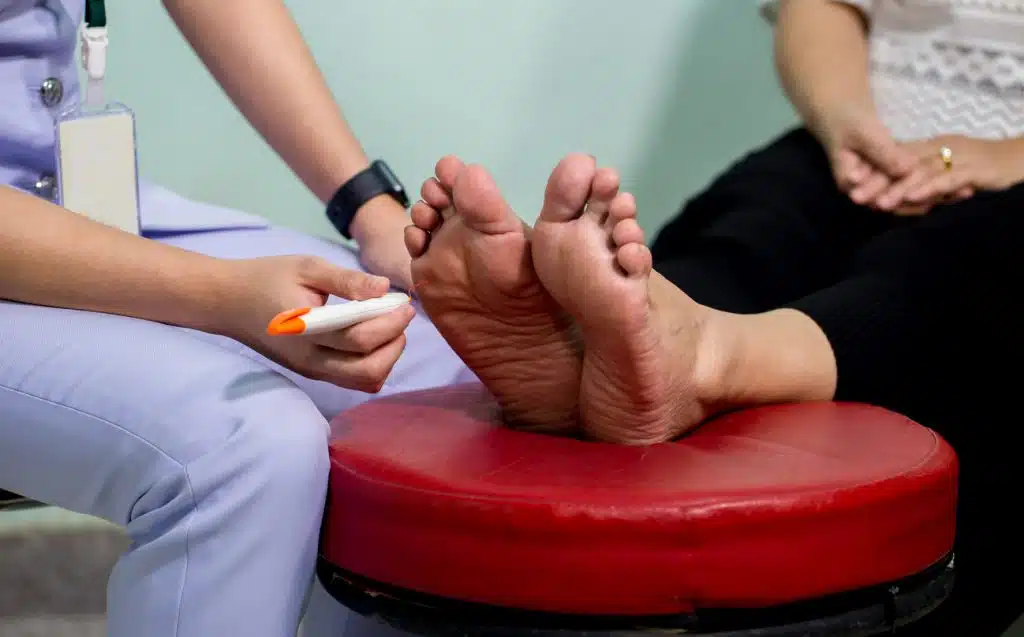
Diabetes can cause nerve damage (neuropathy) and poor blood circulation, which reduce your ability to feel injuries and slow down healing. These factors increase the risk of foot infections. Regular Diabetic Foot Care at home in Dubai helps detect early signs of infection, preventing severe consequences like ulcers or amputations.
Why Infections Occur in Diabetic Feet
- Reduced Sensation: Nerve damage may prevent you from noticing cuts, blisters, or pressure sores.
- Poor Circulation: Limited blood flow slows healing, making wounds prone to infections.
- High Blood Sugar: Elevated glucose levels provide an ideal environment for bacterial growth.
Daily Foot Care Routine at Home
A consistent foot care routine is the cornerstone of preventing infections. Here’s how you can safely manage your feet at home:
1. Inspect Your Feet Daily
- Check for cuts, cracks, blisters, redness, or swelling.
- Use a mirror to view the soles if you have difficulty seeing them.
- Look between toes for fungal infections or unusual moisture.
2. Maintain Proper Hygiene
- Wash your feet daily with lukewarm water and mild soap.
- Dry thoroughly, especially between the toes, to prevent fungal growth.
- Avoid soaking feet for long periods, which can dry out the skin.
3. Moisturize Correctly
- Apply a diabetic-friendly moisturizer to prevent dry, cracked skin.
- Avoid lotion between the toes, which can promote fungal infections.
4. Nail Care
- Trim toenails straight across and avoid cutting too short.
- File edges carefully to prevent ingrown toenails.
- If nails are thick or fungal, consult a podiatrist rather than attempting aggressive home treatment.
5. Wear Appropriate Footwear
- Choose well-fitted shoes with cushioned soles.
- Avoid walking barefoot, even indoors.
- Use socks made of breathable material to reduce moisture accumulation.
Treatments to Prevent and Manage Infections
At-home care is crucial, but some treatments can enhance infection prevention. Both preventive and therapeutic measures should be considered.
1. Preventive Treatments
- Topical Antiseptics: Applying antiseptic solutions on minor cuts can prevent bacterial growth.
- Foot Soaks with Antibacterial Solutions: Occasionally soaking feet in mild antibacterial solutions can help maintain cleanliness.
- Regular Monitoring: Keep a record of foot inspections and seek early medical advice if issues arise.
2. Professional Treatments for Complications
Even with careful home care, professional treatments may be needed:
- Debridement: Removal of dead skin or tissue by a podiatrist to promote healing.
- Antibiotic Therapy: Oral or topical antibiotics may be prescribed if an infection develops.
- Advanced Wound Care: For chronic ulcers, healthcare providers use special dressings, hydrocolloid bandages, or laser treatments to encourage healing.

When to Seek Medical Help
Even with diligent Diabetic Foot Care at home in Dubai, certain signs require immediate attention:
- Persistent redness or swelling
- Unusual discharge or foul odor from wounds
- Fever or chills
- Pain that worsens despite home care
Prompt medical intervention can prevent minor injuries from becoming severe infections or gangrene.
Benefits of Consistent Diabetic Foot Care at Home
Maintaining a daily foot care routine offers several benefits:
- Reduced Risk of Infections: Early detection and treatment of minor injuries prevent infections.
- Enhanced Mobility: Healthy feet allow better mobility and daily activity.
- Lower Healthcare Costs: Preventing complications reduces hospital visits and treatment expenses.
- Improved Quality of Life: Confidence in foot health supports overall well-being.
Post-Treatment Foot Care
After professional treatment for wounds or infections, continuing home care is essential:
- Follow the doctor’s instructions for wound cleaning and dressing changes.
- Avoid putting pressure on healing areas; use protective footwear if necessary.
- Keep blood sugar levels under control to support recovery.
- Monitor for recurrence of infection or new symptoms.
Conclusion
Preventing infections through Diabetic Foot Care at home Dubai is both a daily responsibility and a proactive health strategy. With proper hygiene, routine inspection, and timely professional intervention, diabetic patients can significantly reduce their risk of foot infections. Incorporating both home care and occasional professional treatments ensures healthy feet and better quality of life.
