What Factors Influence Acne Treatment Dubai Outcomes?
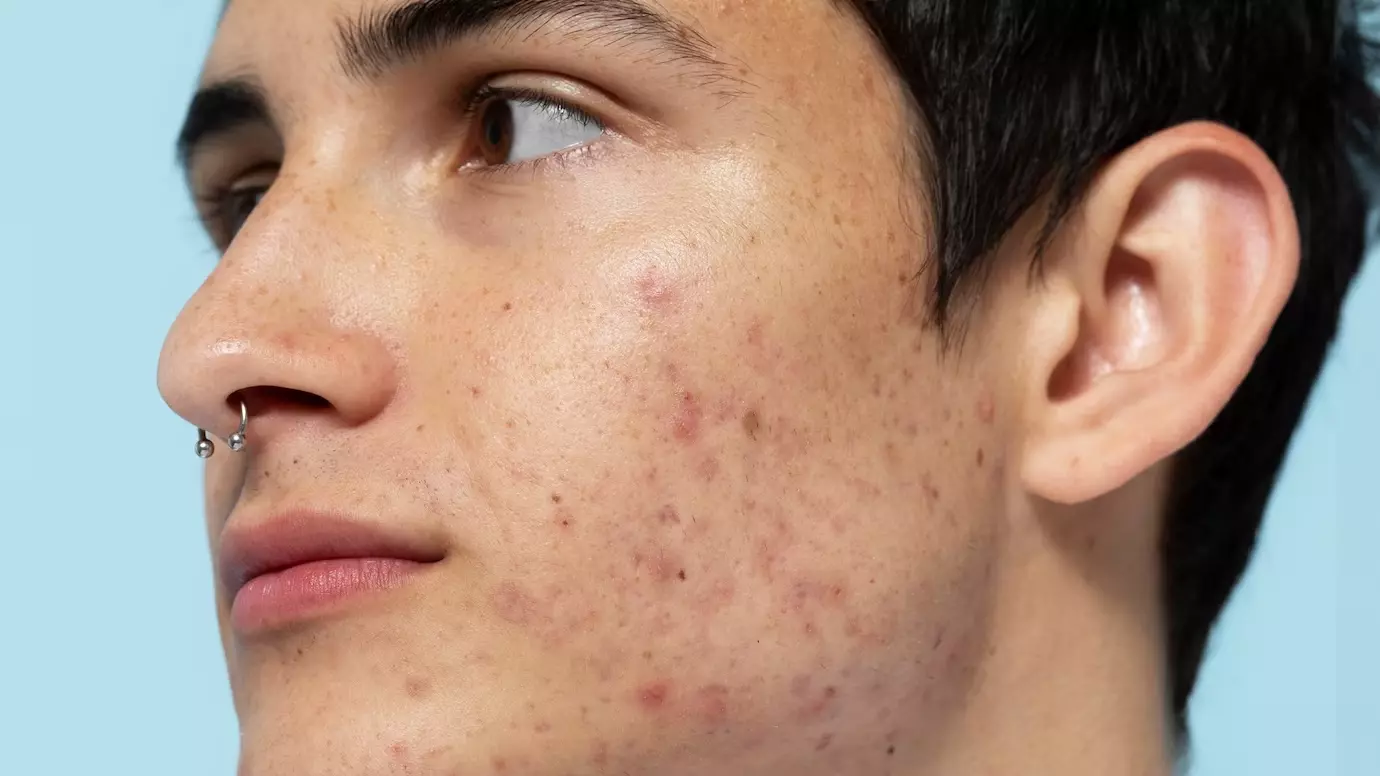
Acne is a common skin concern that affects individuals of all ages and can significantly impact confidence and daily life. Achieving clear and healthy skin depends on understanding the multiple factors that influence treatment outcomes. From personal skin characteristics to environmental conditions, every detail plays a role in the effectiveness of acne care. Acne Treatment Dubai is designed to address these concerns through a combination of professional procedures and tailored approaches, offering noticeable improvements in skin texture and clarity.
Understanding Skin Type and Condition
The Role of Skin Type
Skin type plays a crucial role in determining how well acne treatments work. Oily, dry, combination, or sensitive skin can respond differently to various interventions. Treatments that are effective for oily skin may not yield the same results for dry skin, as the underlying skin physiology affects absorption and healing processes.
Severity of Acne
Mild, moderate, and severe acne each require unique approaches. Early intervention for mild acne often leads to faster and more visible improvements. Severe acne, which may include cysts or nodules, can require a more comprehensive plan and longer treatment duration to achieve optimal results.
Lifestyle and Daily Habits
Diet and Nutrition
While diet alone is not the sole cause of acne, it can influence skin health and treatment response. A balanced diet rich in vitamins, minerals, and hydration supports the skin’s natural healing process, enhancing the effectiveness of acne treatment.
Sleep and Stress Levels
Quality sleep and stress management have a direct impact on hormone regulation and skin regeneration. Treatments tend to work better when individuals maintain a consistent sleep schedule and implement stress-reducing activities.
Environmental Influences
Climate and Humidity
Environmental conditions such as heat, humidity, and exposure to pollutants can affect the skin’s condition and response to treatments. Humid environments can increase oil production, which may necessitate adjustments in treatment approaches.
Exposure to Irritants
Contact with environmental irritants like dust, smoke, and harsh chemicals can aggravate acne and reduce the efficiency of treatment. Protective measures and consistent cleansing routines help mitigate these effects.
Treatment Approaches and Techniques
Professional Procedures
Acne treatments often involve professional procedures tailored to specific skin concerns. These may include cleansing protocols, exfoliation, and targeted therapy designed to reduce breakouts and promote skin regeneration. Regular sessions under expert guidance ensure that treatments are adjusted based on progress and skin response.
Combination Therapy
Combining multiple treatment approaches can optimize results. For example, procedures aimed at reducing excess oil may be paired with techniques that address clogged pores and inflammation. This integrated approach ensures that the skin receives comprehensive care, targeting multiple contributing factors simultaneously.
Individual Response to Treatment
Hormonal Factors
Hormonal fluctuations can significantly influence acne severity and treatment effectiveness. Treatments need to accommodate these variations, as periods of hormonal change may lead to temporary setbacks even during consistent care.
Genetic Predisposition
Genetic factors determine the skin’s tendency to produce oil, react to inflammation, and heal after acne. Personalized treatment plans consider genetic influences, which helps in anticipating potential challenges and adjusting strategies for optimal outcomes.
Skincare Routine and Compliance
Daily Maintenance
A consistent and suitable skincare routine supports professional treatments. Cleansing, exfoliation, and hydration must align with the chosen treatment approach to maximize results. Skipping or mismanaging routines can slow down progress and reduce effectiveness.
Adherence to Recommendations
Following the recommended treatment plan, including scheduled sessions and procedural guidance, ensures that the skin receives the full benefit of interventions. Compliance enhances recovery, reduces flare-ups, and maintains the results achieved through professional care.
Common Misconceptions
Instant Results Expectation
One common misconception is expecting immediate outcomes. Acne treatment is a gradual process that requires patience and consistency. Visible improvements may take several weeks, but steady progress indicates that the treatment is working effectively.
Overuse of Interventions
Excessive application of treatments or frequent procedural interventions can irritate the skin and hinder results. Understanding the right frequency and intensity of treatments is essential to allow the skin to heal and respond optimally.
Benefits of Professional Acne Treatments
Targeted Results
Professional approaches focus on the root causes of acne rather than temporary concealment. Treatments are customized based on individual skin assessments, leading to clearer and healthier skin over time.
Long-Term Skin Health
Beyond immediate improvements, professional acne care supports long-term skin health. Properly managed treatments prevent recurring issues, reduce scarring potential, and promote consistent skin clarity.
Post-Treatment Considerations
Recovery and Regeneration
After professional procedures, the skin undergoes a regeneration phase. Understanding this process allows individuals to anticipate gradual improvements and appreciate the changes occurring beneath the surface.
Lifestyle Continuation
Maintaining beneficial lifestyle habits such as balanced nutrition, hydration, and stress management ensures that the skin remains resilient and responsive to ongoing care. These factors complement professional interventions and sustain results over time.
Integrating Two Key Treatment Options
Procedural Approach
A procedural approach focuses on direct interventions to address acne. These treatments are designed to unclog pores, reduce inflammation, and stimulate the skin’s natural repair mechanisms. Regular sessions provide measurable progress and support overall skin health.
Maintenance and Supportive Care
Supportive care includes daily routines and gentle treatments that reinforce the results achieved by procedural methods. By combining these two approaches, individuals benefit from both immediate improvements and long-term maintenance, leading to smoother and more balanced skin.
Monitoring Progress
Regular Evaluation
Periodic assessments allow for adjustments to the treatment plan based on observed improvements or persistent challenges. Monitoring progress ensures that treatments remain effective and that the skin continues to respond positively.
Adapting Strategies
Flexibility in treatment strategies is essential, as skin conditions may change over time. Professionals tailor approaches to evolving needs, maintaining consistent results and minimizing setbacks.
Conclusion
Achieving successful outcomes in acne care relies on understanding the wide range of factors that influence skin response. From individual skin type and severity to lifestyle habits and environmental exposures, every detail matters in determining effectiveness. Professional approaches combined with supportive daily care ensure comprehensive results, providing both immediate improvements and long-term skin health. By considering these elements, Acne Treatment in Dubai can offer personalized solutions that maximize benefits and foster lasting confidence in skin appearance.
