What Foods Do Nutritionist & Dietitian in Dubai Recommend?
What Foods Do Nutritionist & Dietitian in Dubai Recommend?
24 Oct
24Oct
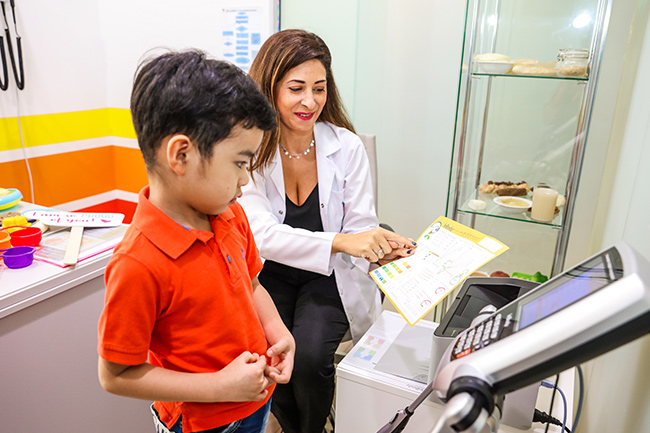
Healthy eating habits begin with understanding what the body truly needs. A Nutritionist & Dietitian in Dubai often guides individuals through personalized food choices that enhance energy, maintain a healthy weight, and improve overall well-being. Their approach focuses on promoting balanced diets that include the right combination of nutrients while considering lifestyle and health goals. Whether it’s improving digestion, building strength, or supporting a specific wellness journey, their recommendations are designed to make nutrition simple, practical, and enjoyable.
The Foundation of a Balanced Diet
A balanced diet is at the heart of every wellness plan. Nutrition experts emphasize including a wide range of foods that deliver essential nutrients. The goal is to ensure that the body receives everything it needs for optimal functioning, from vitamins and minerals to healthy fats and proteins.
Understanding Macronutrients
Macronutrients—carbohydrates, proteins, and fats—are the body’s main energy sources. Each plays a unique role:
Carbohydrates provide energy to fuel daily activities and should come from whole grains, fruits, and vegetables.
Proteins support muscle repair, tissue growth, and immune function, making lean meats, legumes, and dairy excellent options.
Fats help absorb vitamins and promote cell health; healthy fats are found in nuts, seeds, and avocados.
Importance of Micronutrients
Vitamins and minerals are equally essential. They regulate metabolism, support immune health, and maintain bone strength. Leafy greens, citrus fruits, and dairy products are commonly suggested to ensure adequate micronutrient intake.
Foods That Promote Long-Term Health
Eating for wellness means making choices that nourish the body and mind. The foods recommended by experts often fall into categories that support specific functions—energy, mental clarity, digestive balance, and heart health.
Energy-Boosting Foods
To stay active throughout the day, nutrition professionals highlight foods like oats, brown rice, and sweet potatoes. These slow-digesting carbohydrates maintain stable blood sugar levels, preventing fatigue and mood swings.
Foods for Mental Clarity
Cognitive performance depends on good nutrition. Omega-rich foods such as flaxseeds, walnuts, and certain fish varieties support brain function and focus. Dark leafy greens also play a vital role in protecting the brain from oxidative stress.
Digestive Supportive Foods
A healthy gut is the foundation of overall health. Yogurt, fiber-rich fruits, and vegetables such as spinach, apples, and carrots are excellent for supporting digestion. Adequate hydration is also emphasized to maintain proper gut function.
Heart-Healthy Foods
For cardiovascular well-being, experts recommend incorporating foods low in saturated fats and rich in antioxidants. Whole grains, legumes, and a colorful variety of vegetables contribute to maintaining healthy cholesterol levels and blood pressure.
Personalized Nutrition for Every Lifestyle
Everyone’s body is unique, and so are their dietary requirements. A Nutritionist & Dietitian in Dubai tailors meal plans according to individual needs, activity levels, and health objectives. This personalized approach ensures that eating habits become sustainable and enjoyable rather than restrictive.
For Active Individuals
Those with an active lifestyle benefit from a higher intake of lean proteins, whole grains, and hydration-rich fruits. These choices help maintain muscle mass and replenish lost nutrients after physical activity.
For Office Workers
Individuals with sedentary jobs may require nutrient-dense, low-calorie foods that keep them energized without adding unnecessary weight. Salads with lean proteins, whole fruits, and nuts are common choices to keep energy levels stable throughout the day.
For Families
Families often need flexible meal plans that cater to all age groups. Balanced options such as whole-grain pasta, fresh vegetables, and homemade soups provide essential nutrients while encouraging healthy eating habits among children and adults alike.
The Process of Creating a Healthy Meal Plan
Developing a meal plan is a structured process that starts with understanding an individual’s daily routine, food preferences, and health concerns. The goal is to make nutritious eating practical, enjoyable, and easy to maintain.
Assessment and Planning
The first step involves assessing current eating habits and nutritional gaps. Once this is done, the nutrition expert creates a plan that includes meals, snacks, and hydration strategies suited to personal goals.
Monitoring Progress
Regular adjustments are made based on progress and feedback. This approach ensures that the meal plan evolves as the individual’s needs change, keeping it effective in the long run.
Benefits of Following Expert Food Recommendations
Choosing foods recommended by qualified professionals offers long-term benefits that extend beyond just physical health. It encourages mindfulness, self-awareness, and better lifestyle choices.
Improved Energy and Mood
A well-balanced diet helps stabilize energy levels and improves emotional well-being. Nutrient-rich meals reduce fatigue, enhance focus, and promote a more positive mood.
Stronger Immunity
By consuming a diverse range of foods rich in vitamins and minerals, the body’s natural defense system becomes stronger, reducing the risk of infections and common illnesses.
Better Weight Management
Proper portion control and nutrient balance help maintain a healthy weight without the stress of strict dieting. The emphasis is on eating smart rather than eating less.
Frequently Asked Questions
What is the main goal of a nutrition plan?
The primary goal is to create a sustainable eating pattern that aligns with an individual’s lifestyle while ensuring that all nutritional requirements are met.
How often should one revisit their meal plan?
Meal plans can be reviewed every few months to adapt to lifestyle changes, new health goals, or shifts in activity levels.
Can healthy eating improve skin and hair?
Yes, a nutrient-rich diet supports healthy skin and hair by providing essential vitamins, minerals, and hydration that promote natural radiance and strength.
What if someone has food allergies or intolerances?
Nutrition professionals create customized meal plans that eliminate trigger foods while ensuring nutritional balance is maintained.
The Role of Hydration in Nutrition
Hydration is an essential part of healthy eating. Water aids digestion, regulates temperature, and supports every cell in the body. Including water-rich foods like cucumbers, oranges, and melons helps maintain hydration throughout the day.
Incorporating Local and Seasonal Foods
Eating seasonal and locally available foods ensures freshness, higher nutrient content, and better flavor. These foods are often less processed and support a natural, balanced diet that’s easy to follow year-round.
Maintaining Consistency and Motivation
The key to long-term success is consistency. It’s not about perfection but about making gradual, sustainable improvements. Simple habits—like eating a wholesome breakfast, reducing processed foods, and practicing mindful eating—can create lasting changes in overall health.
Conclusion
Healthy eating is not a temporary fix; it’s a lifelong commitment to wellness. A Nutritionist & Dietitian Dubai encourages individuals to embrace food as fuel for both body and mind. Their recommendations promote nourishment, energy, and balance—guiding people toward better living through informed choices. By focusing on whole, nutrient-rich foods and mindful eating habits, anyone can build a stronger, more vibrant version of themselves. Sustainable nutrition is not about restriction but about finding joy and satisfaction in every meal, turning good food into a lifestyle that supports lasting health and happiness.