Why Is Liposuction Uae a Popular Cosmetic Choice?
A well-defined body shape can influence how a person feels about clothing, proportions, and overall appearance. Liposuction Uae has become a popular cosmetic choice because it focuses on stubborn areas of localized fat that may remain noticeable even when a person follows a balanced lifestyle. Rather than being designed as a general weight-loss approach, the procedure is intended to refine body contours and create a more proportionate silhouette. Its growing interest comes from the combination of targeted fat removal, customizable treatment areas, and the ability to support a more sculpted appearance.
What Makes Liposuction a Popular Cosmetic Treatment?
Liposuction is widely recognized as a body-contouring procedure that removes selected fat deposits from specific areas. Many people naturally develop localized fat pockets that can be difficult to change through lifestyle habits alone. These areas may affect the visual balance of the abdomen, waist, thighs, arms, hips, back, or other parts of the body.
The popularity of liposuction is closely connected to its targeted nature. Instead of focusing on overall body weight, the treatment addresses particular areas where excess fat creates unwanted fullness. This makes it an appealing option for individuals who are already relatively close to their preferred body shape but want greater definition.
How Does the Liposuction Process Work?
The treatment begins with an assessment of the person's body contours and the areas where localized fat is present. The treatment plan is generally personalized according to body proportions, skin characteristics, and the desired aesthetic outcome.
During the procedure, small access points are created in the selected treatment area. A specialized cannula is then used to loosen and remove unwanted fat cells. The technique allows the treatment to focus on specific regions while preserving the overall shape of the body.
The amount and location of fat removed depend on the individual's anatomy and the intended contour. Because every body has different proportions, treatment planning plays an important role in creating a balanced appearance rather than simply removing as much fat as possible.
Which Areas Can Be Treated?
Liposuction can be used on several areas where localized fat commonly develops. The exact treatment areas depend on individual anatomy and professional assessment.
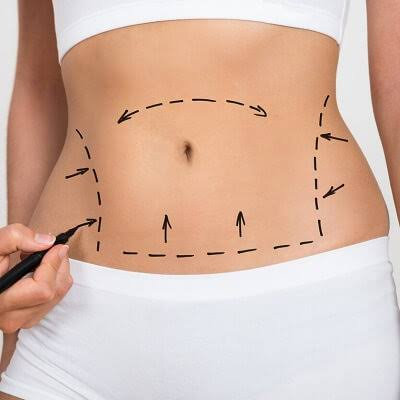
Common areas include the abdomen, waist, hips, thighs, upper arms, back, flanks, and under the chin. Some individuals may have one primary area that affects their body contours, while others may have several connected areas requiring a coordinated approach.
Treating neighboring areas can help create smoother transitions between different parts of the body. The overall goal is generally proportional contouring rather than focusing on a single isolated area.
Why Do People Choose Liposuction for Body Contouring?
One major reason for its popularity is the ability to target specific fat deposits. Certain areas may retain fullness despite consistent exercise and healthy eating habits. Liposuction provides a cosmetic approach for addressing these localized contours.
Another appealing feature is personalization. Treatment can be planned around the person's natural proportions rather than following one fixed body shape. This individualized approach allows the desired result to remain consistent with the person's existing physique.
Liposuction is also attractive because the procedure can be performed on different body regions. This flexibility makes it suitable for a variety of cosmetic body-contouring goals.
What Are the Main Benefits of Liposuction?
Liposuction offers several aesthetic benefits when used for appropriate candidates. Its primary purpose is body contour refinement, and the results can create a more defined appearance in selected areas.
The main benefits include:
Targeted removal of localized fat deposits.
Improved definition of selected body contours.
Greater visual balance between neighboring body areas.
A more sculpted overall silhouette.
Personalized treatment based on individual proportions.
Support for clothing to fit differently around treated areas.
The procedure is generally considered most suitable for people who understand that it is intended for contouring rather than broad weight reduction.
Who May Consider Liposuction?
Suitable candidates are generally adults who are physically healthy, have realistic expectations, and maintain relatively stable body weight. A person may consider treatment when stubborn localized fat remains despite regular lifestyle habits.
Good candidates also tend to understand that cosmetic procedures are intended to enhance existing body contours rather than create an entirely different physique. Expectations can be discussed during an assessment so that the planned outcome remains realistic and appropriate.
People with significant weight fluctuations may be advised to stabilize their weight before considering body contouring. Pregnancy plans, existing medical considerations, and individual anatomy can also influence whether treatment is appropriate.
What Should People Expect During Recovery?
Recovery varies according to the treatment area, amount of fat removed, technique used, and individual healing response. Temporary swelling, tenderness, and changes in sensation can occur during the normal healing period.
The treated contours may not appear immediately in their final form because the body needs time to settle. As healing progresses, swelling gradually decreases and the shape becomes easier to evaluate.
Physical activity is usually reintroduced according to individual recovery progress and professional guidance. The timeline differs from person to person, making individualized recovery planning important.
How Does Liposuction Support a Sculpted Appearance?
The visual effect of liposuction comes from reshaping selected areas rather than simply reducing body weight. Removing localized fat can create clearer transitions between the waist, abdomen, hips, thighs, or other treated regions.
A carefully planned contour can help the body appear more balanced. For example, reducing fullness around the waist may create a clearer distinction between the torso and hips. Similarly, treating localized fullness around the thighs or arms may contribute to a more streamlined appearance.
The quality of the outcome depends heavily on appropriate treatment planning, realistic expectations, and the body's natural healing process.
What Factors Influence the Treatment Experience?
Several factors can influence how a person experiences the procedure and recovery. Body composition, skin elasticity, the number of areas treated, the technique selected, and the amount of localized fat all play a role.
Lifestyle stability is also relevant. Maintaining a relatively consistent body weight can help preserve the overall contour achieved through treatment. Individual healing characteristics may also influence how quickly the final appearance becomes visible.
A professional assessment is therefore important because it allows the treatment plan to be adapted to the person's specific body structure.
Can Liposuction Be Part of a Broader Body-Contouring Plan?
Liposuction can be included within a broader cosmetic body-contouring strategy when several areas require attention. Some people may focus on one region, while others may have several areas that contribute to an uneven silhouette.
Other body-contouring approaches can also be considered depending on the individual's goals, skin characteristics, and treatment suitability. Surgical fat removal and non-surgical contouring represent different approaches to body shaping, and the appropriate option depends on the person's specific needs.
This makes personalized evaluation especially valuable when someone is considering more than one aesthetic treatment for body definition.
What Are Common Misunderstandings About Liposuction?
One common misunderstanding is that liposuction is primarily a weight-loss procedure. Its main purpose is localized contour refinement. Another misconception is that every person will achieve the same shape. Body structure and natural proportions differ considerably between individuals.
It is also important to understand that the final appearance develops gradually. The immediate post-procedure appearance may not represent the eventual contour because the body requires time to heal and settle.
Realistic expectations help people understand what the procedure can reasonably accomplish.
FAQs About Liposuction
Is Liposuction Suitable for Weight Loss?
Liposuction is primarily a body-contouring procedure rather than a general weight-loss treatment. It is intended to remove localized fat deposits and refine specific areas of the body.
Which Body Areas Are Commonly Treated?
Common treatment areas include the abdomen, waist, hips, thighs, arms, back, flanks, and under the chin. The appropriate areas depend on individual anatomy and cosmetic goals.
How Long Does the Procedure Take?
The duration depends on the number and size of treatment areas and the technique being used. A personalized assessment provides a more accurate understanding of the expected procedure time.
When Does the Final Shape Become Noticeable?
The final contour develops gradually as the body heals and swelling decreases. The timeline differs among individuals and depends on the extent of treatment.
Can Liposuction Treat More Than One Area?
Multiple areas may be treated when clinically appropriate. Treatment planning considers overall body proportions to create a harmonious contour.
Does Liposuction Remove All Fat From an Area?
No. The objective is controlled contouring rather than complete removal of all fat. Preserving appropriate tissue helps maintain a natural-looking body shape.
Is the Procedure Suitable for Everyone?
No cosmetic procedure is suitable for everyone. Eligibility depends on overall health, body composition, expectations, skin characteristics, and individual treatment goals.
How Can People Maintain Their Results?
Stable body weight and consistent healthy lifestyle habits can support the longevity of a contoured appearance. Significant future weight changes can influence body shape over time.
Why Is Liposuction Still Popular Today?
Its continued popularity comes from its focused approach to localized fat, customizable treatment areas, and emphasis on body proportions. For suitable individuals, Liposuction Uae can provide a way to refine stubborn contours while maintaining the person's natural body structure. The appeal lies less in changing the entire body and more in creating a smoother, more balanced silhouette through targeted contouring.
Conclusion
Liposuction remains a widely recognized cosmetic option for people seeking more defined body contours and targeted fat reduction. Its popularity is linked to personalized treatment planning, multiple possible treatment areas, and its ability to address localized fullness that may persist despite lifestyle efforts. When expectations are realistic and treatment suitability is carefully assessed, body contouring can become a meaningful part of an individual's aesthetic goals. The most appropriate approach ultimately depends on personal anatomy, desired definition, and professional evaluation.
