How to Detect Infections Early in Diabetic Foot Care at Home in Dubai
30Sep
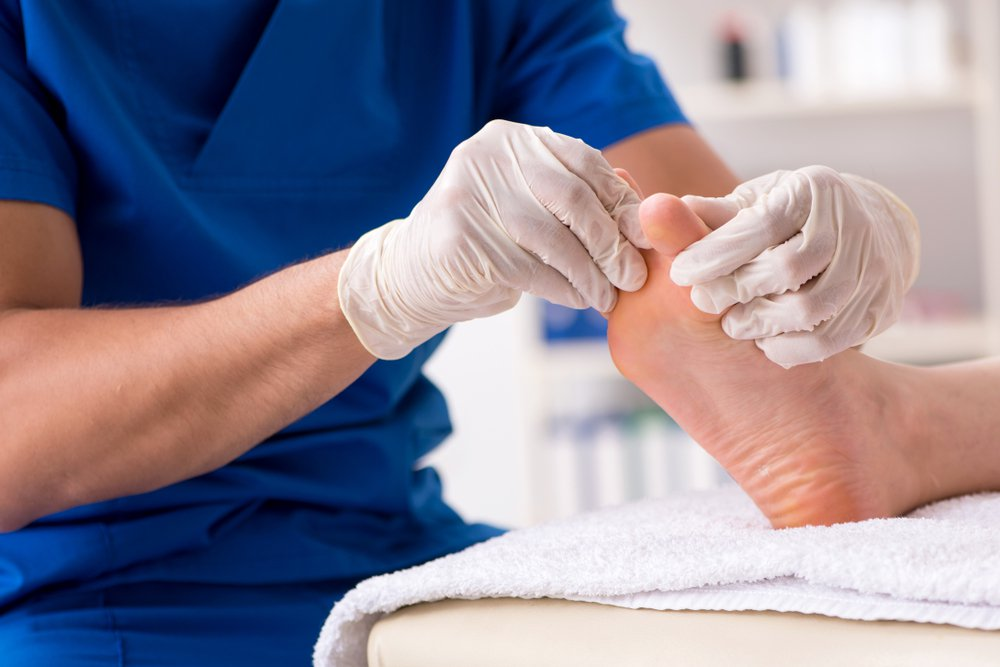
Recording Changes
Keeping a small diary or journal of foot observations can help track subtle changes over time. Noting any redness, swelling, or unusual marks provides a reference point to identify patterns that might indicate infection.Lifestyle Practices That Support Foot Health
Proper Foot Hygiene
Maintaining clean feet through regular washing and thorough drying is fundamental. Ensuring feet are dry, especially between the toes, helps prevent bacterial and fungal growth. Moisturizing the skin in areas prone to dryness can also reduce cracks that allow infections to enter.Appropriate Footwear
Wearing supportive and well-fitted shoes reduces the risk of cuts, blisters, and pressure sores. Socks made from breathable materials can help maintain optimal foot environment and prevent excessive moisture buildup.Avoiding Walking Barefoot
Walking barefoot increases the chance of cuts and punctures, which can lead to infection. Protecting feet even indoors minimizes exposure to bacteria and reduces the likelihood of injuries that might go unnoticed.Understanding Treatment Approaches
Professional Intervention
While Diabetic Foot Care at home in Dubai emphasizes preventive measures and monitoring, professional intervention becomes essential when signs of infection appear. Early evaluation allows for timely treatment, which may include cleaning, dressing, or managing minor wounds to prevent complications.Home-Based Care Practices
Home care focuses on maintaining cleanliness, monitoring wound progress, and keeping feet protected. Immediate attention to small cuts or blisters, along with consistent observation, supports overall foot health and reduces the risk of infection spreading.Common Questions About Early Detection
How Often Should Feet Be Checked?
Daily inspections are recommended to ensure that even minor issues are noticed quickly. Regular monitoring provides a clear understanding of what is normal for each individual and makes detecting abnormal changes easier.What If Numbness Masks Pain?
In cases of reduced sensation due to diabetes, visual inspections and temperature checks become even more critical. Observing changes in color, swelling, or warmth can indicate problems that may not cause immediate pain.Can Infections Develop Without Obvious Symptoms?
Yes, some infections may progress quietly. This is why combining visual, sensory, and documented observations is essential for early detection. Being proactive helps prevent minor issues from escalating into serious complications.Advanced Monitoring Techniques
Using gentle pressure checks, observing for localized warmth, and maintaining records of changes in foot appearance are advanced yet simple strategies. These practices enhance the ability to detect subtle early signs that might otherwise be missed.Preventive Benefits of Early Detection
Early detection reduces the likelihood of severe infections, hospitalization, and prolonged healing periods. Individuals who practice consistent monitoring and prompt attention to minor abnormalities experience better overall foot health, fewer complications, and enhanced quality of life.Integrating Early Detection into Daily Routine
Incorporating foot inspections into daily routines, such as after bathing or before bed, ensures consistency. Combining visual checks, touch-based observations, and journaling creates a comprehensive approach that strengthens Diabetic Foot Care at home in Dubai. These small, daily habits can have a significant impact over time.Conclusion
Detecting infections early is a cornerstone of effective diabetic foot management. Through careful observation, consistent monitoring, and proactive care, individuals can prevent serious complications and maintain healthier feet. Diabetic Foot Care at home in Dubai relies on daily vigilance, attention to subtle changes, and timely intervention to ensure optimal outcomes. By adopting these practices, individuals not only protect their feet but also enhance overall wellbeing and independence, making early detection an essential part of their health routine.Comments
